Spanish Restaurant Meal Pacing: Tapas, Raciones, and Mains
On this page
Quick answer
At a Spanish restaurant, use portion labels to plan the order, but confirm what they mean at that specific restaurant. A tapa is usually a small taste, a media ración is often a partial share plate, and a ración is generally larger; mains may be individual or designed for the table. Order a focused first round, see the actual portions, then add food if needed.
This guide is for diners at Spanish restaurants in the United States. Spanish food traditions vary by region, and US restaurants adapt terminology to their menus and service models. Treat each label as a question starter rather than a fixed measurement.

Understand the portion terms
Spanish menus can organize the same food in different sizes or formats. The price difference does not always reveal the piece count, weight, or number of diners.
- Tapa: A small portion that may accompany a drink or form part of a meal made from several tastes. Some restaurants price each tapa; others use the word more broadly for small plates.
- Pincho or pintxo: Often a small individual bite or portion, sometimes built on bread. Regional usage and spelling differ, and the restaurant’s description controls.
- Media ración: Literally a half portion, generally smaller than a full ración. It may still be large enough to share.
- Ración: A fuller plate usually intended for sharing, although serving size varies by dish and restaurant.
- Plato or main course: This may be individually plated, but rice dishes, roasts, fish, and other large formats can have a minimum order or be designed for several diners.
- Market price or by weight: Seafood, cured meats, and other products may be priced by weight or current supply. Ask for the unit and estimated total.
A small plate of dense croquetas and a small plate of sliced vegetables do not satisfy the same appetite. Portion count, richness, bones or shells, bread, and included sides all matter.
Build a meal in rounds
Ordering in rounds helps a group adjust after seeing the first portions and learning how quickly the kitchen sends dishes.
- Set the goal. Decide whether the table wants a few tastes, a complete tapas meal, or small plates followed by a main.
- Start with contrast. Choose two or three items with different textures, temperatures, and main ingredients rather than several fried or bread-based plates.
- Add one substantial anchor. Depending on the menu, this might be a larger vegetable, seafood, meat, bean, egg, or rice dish.
- Check accompaniments. Ask whether bread, potatoes, salad, sauce, or another side is included and whether refills cost extra.
- Pause before the next round. Consider hunger, remaining food, kitchen timing, and whether the table still lacks a fresh, savory, or substantial element.
- Order dessert intentionally. Leave room if the restaurant has a sweet dish the group wants to share rather than ordering it automatically.
If the restaurant requires the entire order at once, ask staff to help estimate quantities and sequence the kitchen. Some cooked-to-order dishes need to be placed early even if they arrive later.
Ordering checklist
- Count which diners are sharing and which are ordering individually.
- Ask how many pieces come in croquetas, skewers, slices, or other countable items.
- Confirm whether a tapa, media ración, and ración of the same dish are all available.
- Ask whether a rice dish or large-format main has a minimum number of people or advance preparation time.
- Check which items are served cold, room temperature, warm, or very hot.
- Tell staff about allergies and dietary needs before ordering.
- Ask about bones, shells, toothpicks, or hot serving vessels when relevant.
- Verify market prices, weight units, supplements, bread charges, and substitution fees.
- Request clean serving utensils and individual plates for shared dishes.
For a group with mixed preferences, divide the menu into “everyone,” “some diners,” and “individual only.” Keep allergy-sensitive food separate rather than placing every plate in the middle.
Pace and share at the table
Spanish small-plate dining can be social and unhurried, but the actual pace depends on the US restaurant, reservation length, kitchen, and service style. Ask whether dishes arrive as ready or in a planned order.
- Let everyone see the plate before dividing a countable item.
- Use serving utensils instead of personal forks in shared dishes.
- Place very hot clay dishes or pans where children and sleeves cannot reach them.
- Keep toothpicks, shells, olive pits, and bones on a designated side plate.
- Ask before moving a serving vessel that may be hot.
- Order the next round while the table still has a small amount left if the kitchen needs time.
If a reservation has a time limit, decide early whether the group wants another savory round or dessert. A well-paced meal is not the same as a slow meal; it leaves enough time to share safely without creating unnecessary waste.
Limitations and dietary notes
Allergens: A small portion can still contain allergens in sauces, stocks, marinades, frying oil, bread, garnish, or shared equipment. Tell staff the specific allergen and ask how the dish is prepared. Do not infer safety from a familiar name or appearance.
Alcohol: Tapas do not require alcohol. Water and nonalcoholic drinks can accompany the meal. People who avoid alcohol should also ask whether wine, sherry, or another alcoholic ingredient is used in a sauce when relevant.
Regional variation: Pintxos, tapas customs, portion sizes, and service differ across Spain and between restaurants. Avoid treating one restaurant’s format as a universal rule.
Value: Compare ingredients, preparation, portion, and experience—not plate count alone. A higher price may reflect a premium product or labor-intensive preparation, but ask for current details rather than assuming.
Sources and evidence notes
Spain’s official tourism portal describes tapas as small portions that may accompany drinks and notes that a series of tapas can become a meal. It also emphasizes that tapas can be hot or cold and appear in many formats. See Spain.info’s overview of tapas.
The same official portal notes that regional versions of tapas culture vary. A US restaurant may adapt these traditions further, so the menu and staff are the most reliable sources for an exact portion, price, and service sequence.
Frequently asked questions
How many tapas equal a full meal?
There is no fixed number. Size, richness, bread, drinks, appetite, and whether larger plates follow all matter. Ask about portions, begin with a limited round, and add food after seeing what arrives.
Is a ración always twice the size of a media ración?
Not necessarily in exact weight or piece count. “Media” signals a smaller option, but pricing and portion relationships vary. Ask how many pieces or how many diners the restaurant expects each size to serve.
Do tapas arrive in a specific order?
Some kitchens send dishes when ready, while others pace cold, hot, and cooked-to-order items. Ask your server and mention if the table wants a particular sequence.
Should each diner order a separate main?
Only if that fits the menu and group. A table can build a meal entirely from shared plates, combine tapas with one large dish, or order individual mains. Confirm which plates are designed for sharing.
Can I ask for sauce on the side?
You can ask, but some dishes depend on their sauce or cannot be changed without altering the intended preparation. Accept the kitchen’s answer and choose another item if the adjustment is essential.
Conclusion and next steps
Read tapa, media ración, ración, and main-course labels as clues, then ask about actual size, piece count, price, and timing. Start with contrasting dishes, add one substantial anchor, and pause before the next round. The best pace matches the restaurant’s service, the group’s appetite, and the goal of sharing with enough variety but little waste.

 La Rambla Restaurant & Social Room4.0 (857 reviews)
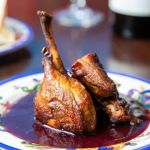 Solea Restaurant and Tapas Bar4.0 (1146 reviews)
 The Singing Sliders4.0 (2 reviews)
 Boqueria Flatiron4.0 (2233 reviews)
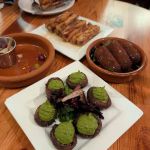 La Feria4.0 (1167 reviews)
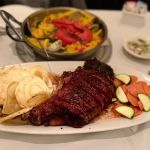 Segovia Restaurant4.0 (2529 reviews)
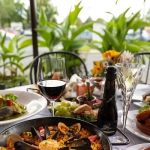 The Best Spanish Restaurants in Charlotte for Tapas and Paella Nights
 Easy Spanish Sangria with Sparkling Water Recipe Guide
 Authentic Spanish Seafood Rice with Saffron Broth Recipe Guide
 The Best Spanish Restaurants in Houston for Tapas Nights and Family-Friendly Dining
 How to Make Spanish Churros con Chocolate: Fried Dough with Chocolate
 How to Make Spanish Pollo al Horno con Limón, Ajo y Hierbas: Lemon Garlic Herb Roasted Chicken